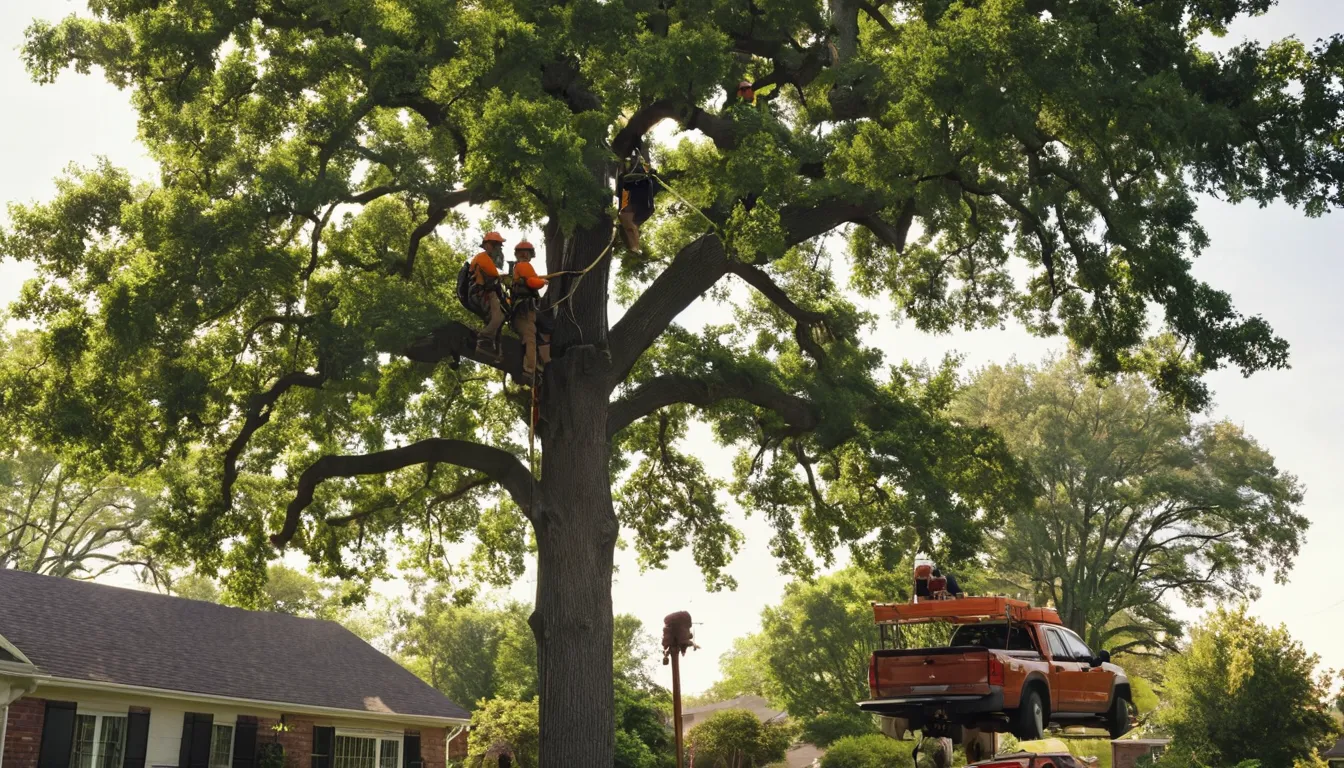
Tree Removal
Say a tree looks risky. This page shows how removal works, what it costs, and how to hire well.
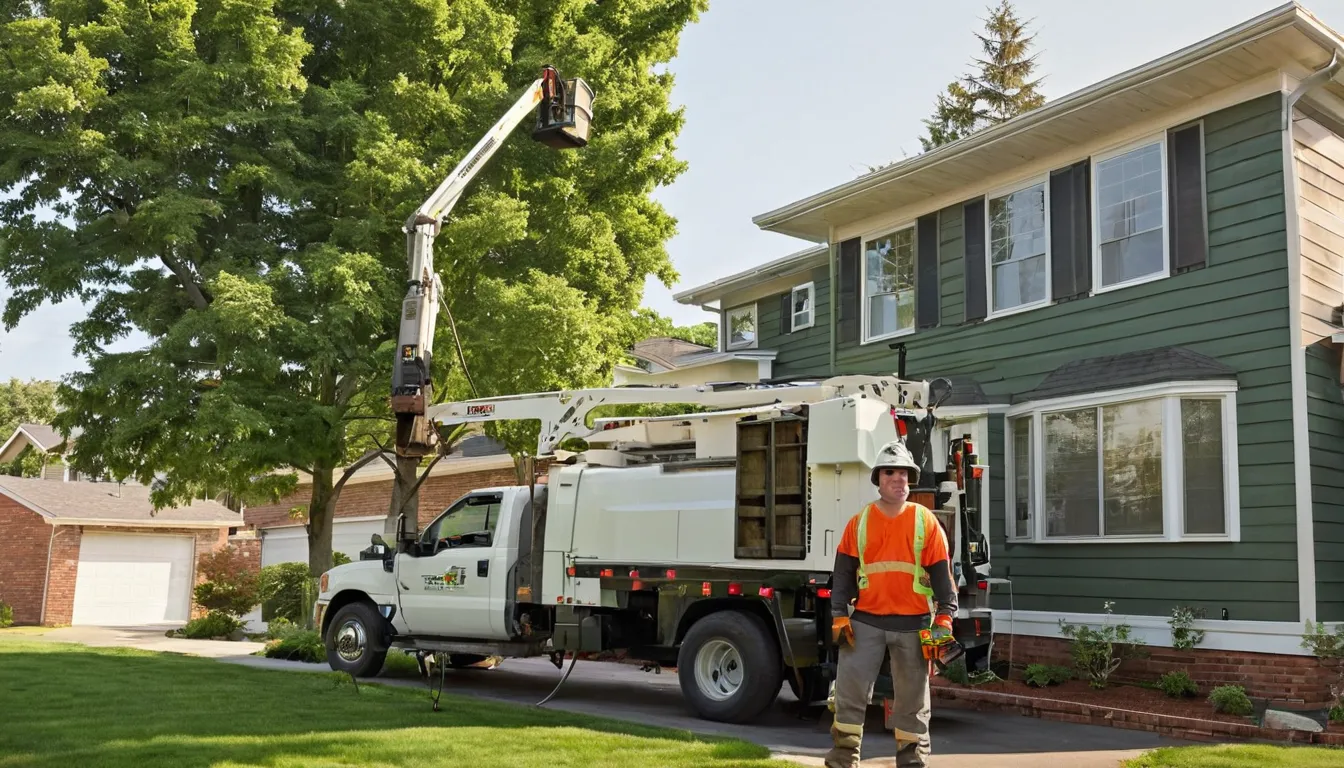
A tree that leans, splits, or drops a limb is a worry you should not carry alone. Convincevisiting Tree Service connects you with independent local providers, and shows you how to ask the right questions before anyone starts a saw.
Pick the kind of help that fits your yard right now. Each page below explains the job in plain words, what affects the price, and what to ask a provider before you agree to anything.
Say a tree looks risky. This page shows how removal works, what it costs, and how to hire well.
Grinding turns an ugly, risky stump into wood chips, and a local provider can handle it.
A tree down on your roof, fence, or driveway needs a careful plan, and a local provider can help.
Say you step outside after a storm and a big limb is hanging over the driveway. Or a tall oak leans a little more each week toward the roof. You want it handled, but you are not sure who to trust with a chainsaw near your house.
Convincevisiting Tree Service is a referral service for homeowners in DISH, TX and the DISH area. We do not cut trees. We connect you with independent local providers in our network who handle tree removal, stump grinding, and emergency tree removal.
Think of us as a first step. You tell us what is going on. A local provider reaches out, looks at the job, and gives you a written quote. You compare, ask questions, and decide. There is no obligation to hire anyone.
This site is built around one idea: hire with confidence. You will find the questions to ask, what a good answer sounds like, and the red flags to watch for. You will also find plain talk about what drives the price.
If the tree is blocking a door, leaning on a line, or already down, Request a callback to check provider availability.
If the job can wait a few days, you can request an estimate instead.
Convincevisiting Tree Service does not own trucks, chippers, or saws. The work is done by independent providers in our network. We say that up front so you know who you are dealing with at each step.
First, you share a few details. What kind of tree is it? Where does it stand? Is it down, leaning, or just too big?
Second, a local provider contacts you. Many providers can respond quickly, but availability varies, so Request a callback to check who is open.
Third, the provider looks at the job and gives you a written quote. You decide if it feels right. If not, you walk away.
Picture a backyard pine that has grown too close to a roof. A provider may take it down in sections so nothing lands on the shingles. Picture a yard where a tree already came down in a storm. That is a tree falling service call, and the work is about clearing it safely.
After the tree is gone, a stump is often left behind. Many providers also offer stump grinding, so the yard can be level again for grass, a garden, or a patio.
Most bad tree jobs start with a rushed yes. So we give you the questions, the good answers, and the warning signs. You stay in charge of the choice.
We never promise a price, a date, or a result for any provider. We simply help you start the conversation with people nearby who do this work every week.
Say you live in a one-story brick ranch on a slab. A big tree near the roofline is not just a view issue. In hot, humid summers, the attic bakes, and a heavy limb can crack a vent, a gutter, or a row of shingles.
Now picture a tropical storm season. Soaked ground, strong gusts, and shallow roots can be a poor mix. A tree that looked fine in spring may lean after a week of downpours.
Providers in our network serve DISH and neighborhoods across the DISH area. That includes newer subdivisions with vinyl siding and older streets with pier-and-beam houses, where a fallen limb and a low crawl space can need extra care.
Winters here are mild, with rare hard freezes. That means tree work is a year-round matter, not a once-a-season chore. Storm tree clearance tends to bunch up after big weather, so it helps to call before the rush.
Not sure if your address is covered? Request a callback to check provider availability for your street.
Or share a few details and ask for a written estimate.
Say a stranger knocks and offers to take down your tree today. Slow down. Ask who they are, whether they carry liability insurance and workers' compensation, and whether they will show proof.
A good provider answers without fuss. They explain how the tree will come down, what could be damaged, and how the mess will be cleared. They offer to put it all in writing.
Be careful if someone asks for full payment up front, will not give a written quote, or says the price is good only today. Also be wary of anyone who wants to cut the top off a tree and call it a fix.
Size, height, and location matter most. A small tree in an open yard may run a few hundred dollars. A tall tree over a house can run well into the thousands. Typical U.S. ranges vary a lot by job.
A written quote lists the work, the cleanup, and the price. If a stump, hauling, or extra cleanup is not listed, ask. Surprises usually hide in the parts nobody wrote down.
After a big blow, lots of homeowners call at once. Emergency tree removal may cost more because of the risk and the rush. Stay clear of lines and leaning trees until a provider has looked.
Say the tree is gone, but a stump is still in the lawn. Stump grinding can be added to the job, often for a smaller extra charge. Ask how deep the grinding goes.
Some policies may cover sudden damage, so check your policy. Providers can often help document damage for a claim. Take photos before anything is moved.
Ready to deal with the tree? Start with a phone call if you can. Request a callback to check provider availability for your address and the kind of job you have.
Prefer to write it down first? Send a short request with your tree details and a provider in our network will follow up with a written quote. There is no obligation.
Tell us about your tree, your yard, and your timing. Request a callback to check provider availability, or send a request and a local provider will follow up.
No obligationTell us about the tree, where it stands, and what worries you most.
We connect you with an independent local provider who handles tree removal.
Check the price, cleanup, and stump notes before you agree to anything.
Pick a time that works, then prep the yard before the crew arrives.
Typical U.S. prices run from a few hundred dollars for a small tree to several thousand for a tall one near a house. Access, height, and cleanup all change the number. Always ask for a written quote that lists the work and the cleanup before you agree.
Ask about liability insurance, workers' compensation, and how the tree will come down. Ask what is included, such as hauling and stump work. A good provider answers clearly and puts the plan and the price in writing. Be careful if they dodge.
It often costs more, because storm work is riskier and many homeowners call at once. Prices vary by job and provider. Request a callback to check provider availability, and still ask for the scope and price in writing when you can.
Not always. Many providers list stump grinding as a separate line, so ask before you agree. It helps to see it on the written quote either way.
Some policies may cover sudden damage, such as a tree falling on a roof, but rules differ. Check your policy and ask your insurer. Providers can often help document damage for a claim, so take photos and keep your written quote.
DISH Fort Worth Grapevine Colleyville Little Elm Hurst Northlake Bedford Flower Mound Haltom City Westlake Lewisville Keller Southlake Euless Coppell Denton North Richland Hills The Colony Watauga
Tell us about your tree, your yard, and your timing. Request a callback to check provider availability, or send a request and a local provider will follow up.
No obligation